A biological microscope uses transmitted light to examine transparent or thinly sectioned specimens: cells in culture, tissue sections, smears and fluids. Because the sample is transparent, contrast comes from staining, phase contrast, DIC or fluorescence rather than from reflected light.
Yikmo supplies upright biological microscopes for histology and teaching, and inverted biological microscopes for cell culture, where the objective looks up through the bottom of a flask, dish or microplate.
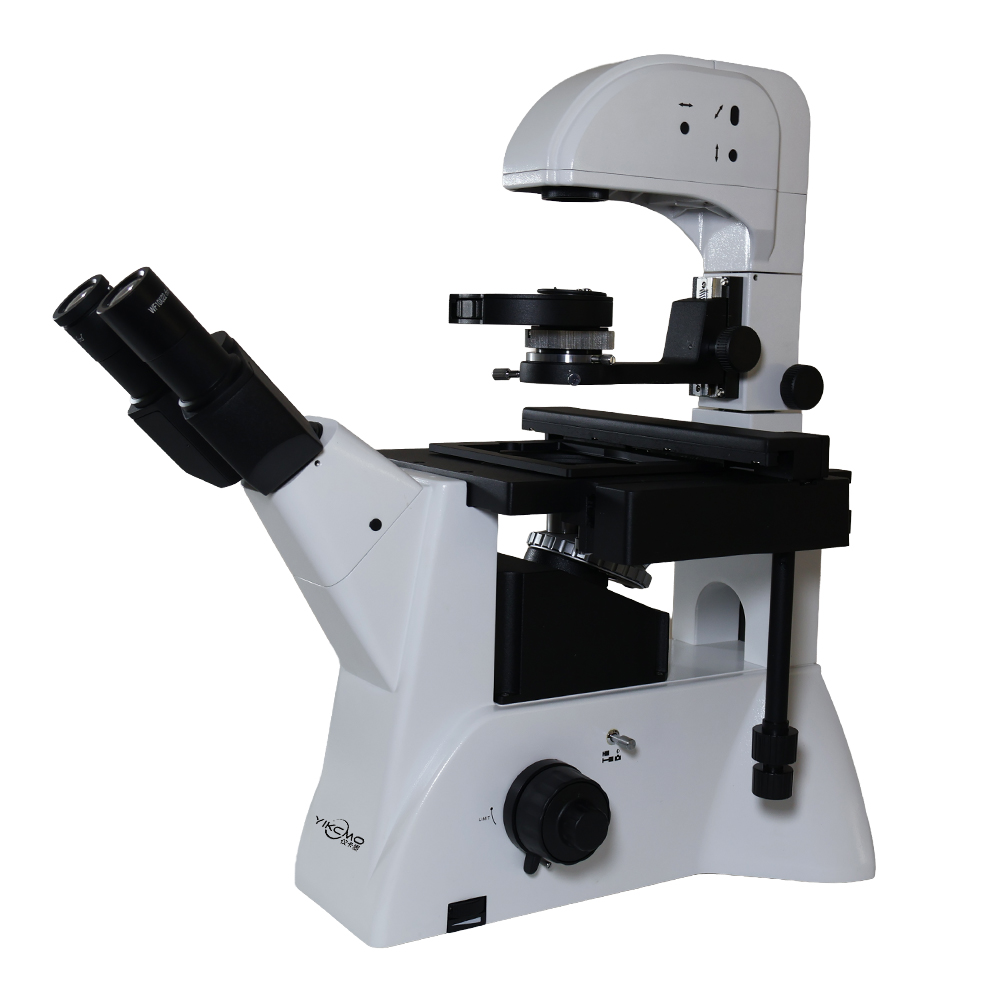
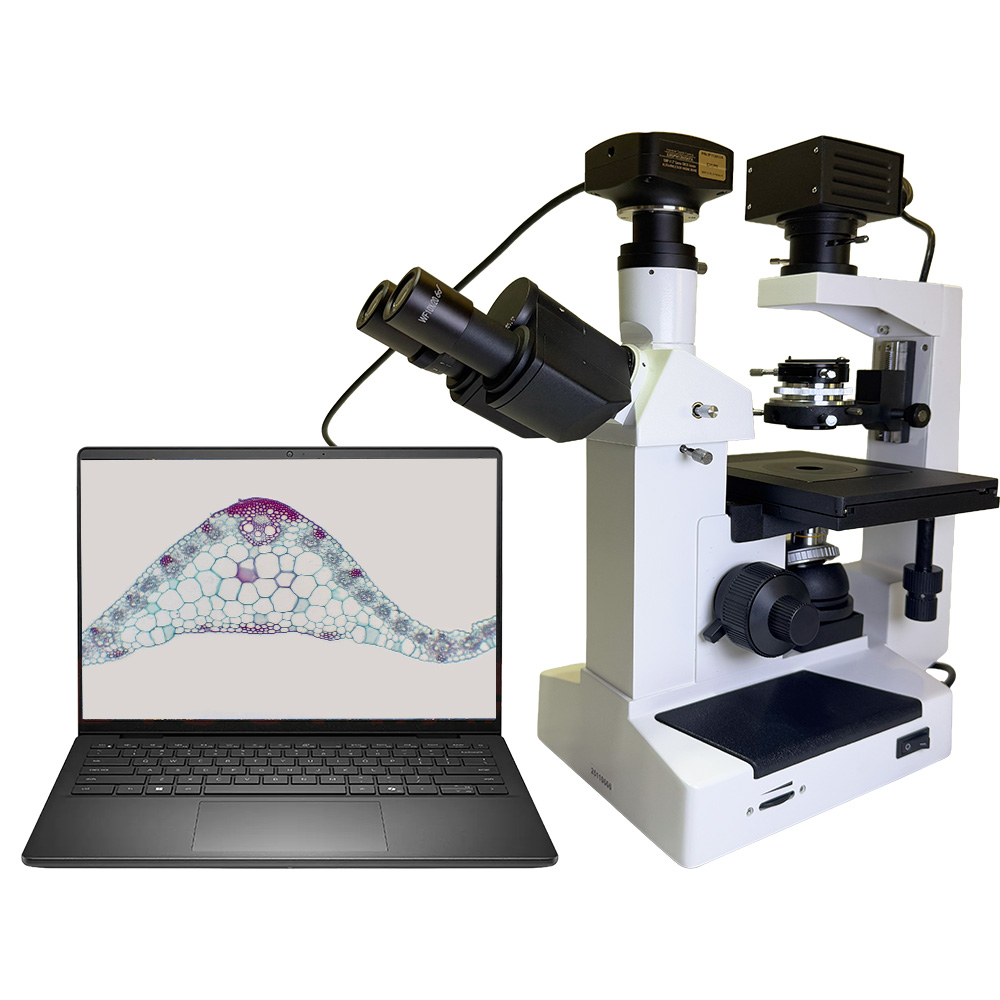
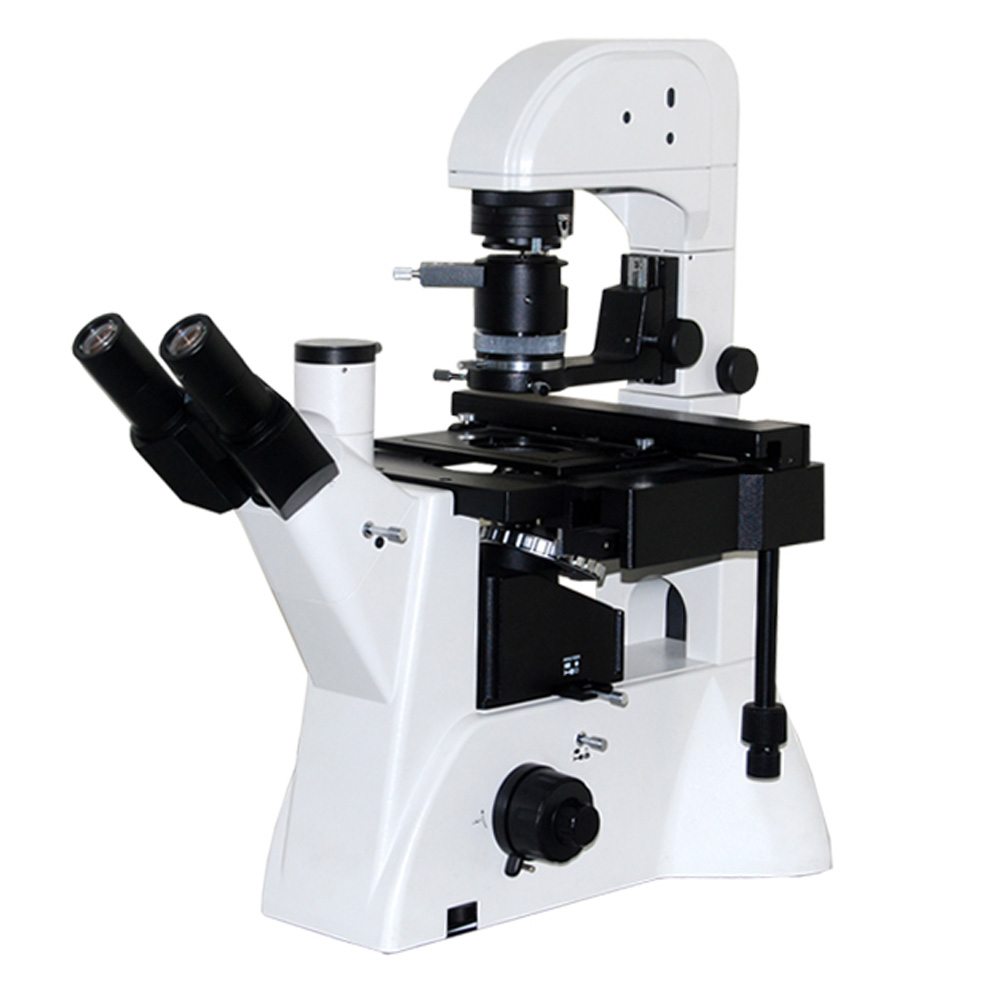
An inverted biological microscope places the objective below the stage and the light source above. Culture vessels sit on the stage and the objective looks up through the plastic or glass base, so there is no need to open the flask or transfer the cells.
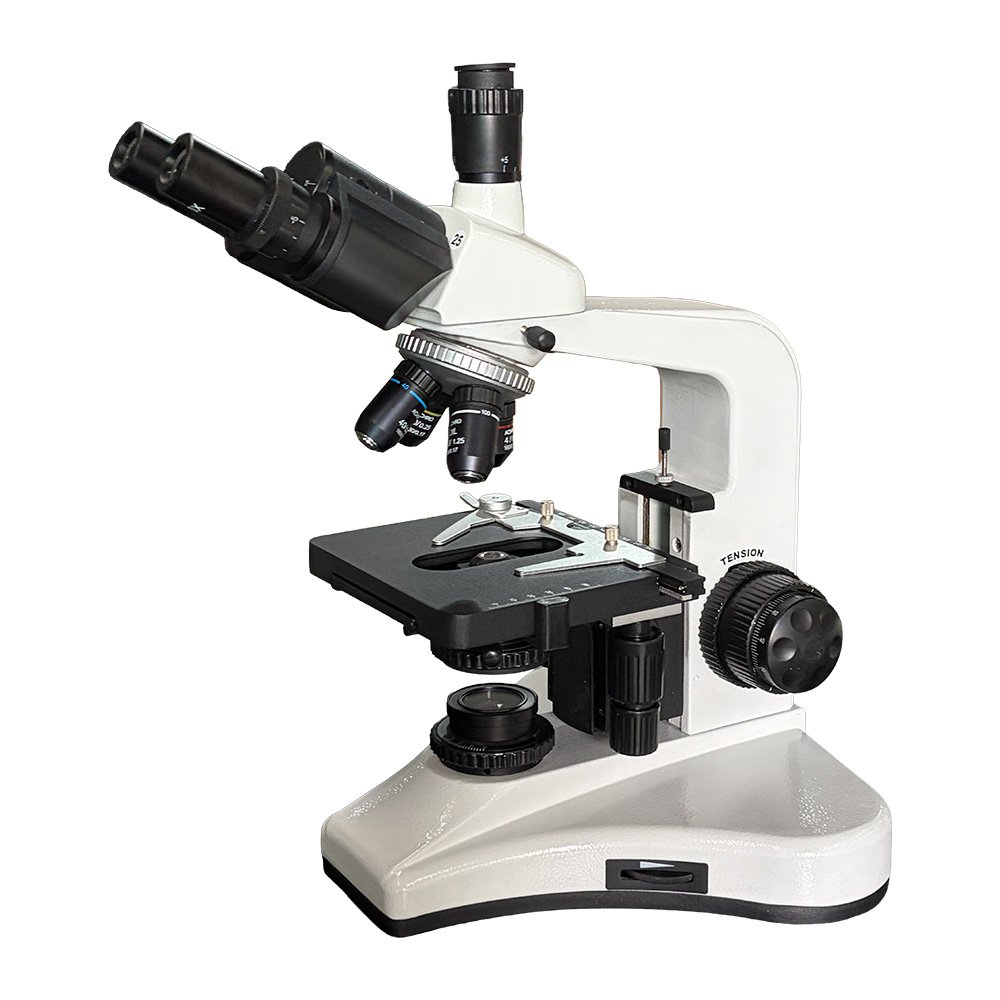
An upright microscope places the objective above the slide. It offers higher magnification and better resolution for fixed, stained sections — histology, pathology and teaching — but requires the sample on a slide.
For live-cell work, phase contrast is usually essential: it converts differences in refractive index into brightness differences, so unstained cells become visible without killing them with stain.
| Working distance | For cell culture, choose an inverted stand with a long working distance condenser (50–75 mm) so flasks and cell factories fit. |
|---|---|
| Contrast method | Brightfield for stained slides; phase contrast for unstained living cells; Hoffman modulation for thicker samples; fluorescence for specific markers. |
| Stage | A large stage with extension plates accommodates multi-well plates and T-flasks. |
| Camera | A colour CMOS camera for documentation; monochrome for fluorescence, where sensitivity matters more than colour. |




Phase contrast makes transparent, unstained specimens visible by converting small refractive-index differences into brightness differences. It is the standard method for observing living cells in culture.
Yes, but it is not the best choice. Inverted stands are optimised for vessels, not slides; an upright microscope gives better optics and ergonomics for stained sections.
Only if you work with fluorescent markers or reporters. Routine confluence and morphology checks are done in brightfield or phase contrast.
Send us the material and what you need to measure. We reply within one business day with a specification and quotation.
